By Pryce Sprague
Battery energy storage systems (BESS), electric vehicles and EV charging stations are no longer emerging technologies – they’re all common features inside the buildings we manage every day. At Fire & Wire, we believe Victoria’s approach to fire safety needs to keep pace with the technologies installed in our buildings, rather than play catch-up once it’s too late.
The issue isn’t whether battery technology belongs in modern buildings. It’s whether the fire protection systems and safety plans designed to safeguard them have evolved as quickly as the technology has.
For building owners and facility managers, future-proofing is about asking the hard questions around battery and EV charging fire safety before the risks involved become genuine problems – not waiting to act until after the damage is done.
What you'll learn in this article:
Keep reading to better understand why the next phase of Victorian fire safety starts with a simple question: has your building's fire safety strategy evolved with new technologies?
We’re entering an era where battery technology is becoming increasingly integrated in our everyday lives.
We’re seeing electric vehicles on Australian roads and EV charging stations appearing in shopping centre car parks, apartment buildings and other similar facilities. At the same time, battery energy storage systems are becoming a much larger part of the conversation around how we harness and access energy.
There are plenty of reasons for this progression. But from my perspective in fire safety, there's another side of the conversation we can't afford to overlook.
What happens to your building's fire safety protocols when you introduce technology that wasn't previously part of the environment?
That’s where future-proofing Victorian buildings begins.
It isn't about resisting change.
It’s about recognising that as new technology enters Victorian buildings, fire safety planning needs to evolve with it.
Here’s the part we don’t sugarcoat:
Lithium-ion battery fires can behave differently from more conventional vehicle or building fires, which is why existing detection, suppression and containment strategies may need to be reviewed.
We’ve all seen the media coverage of EV fires that firefighters have spent hours trying to bring under control, using far more water and time than a conventional car fire would ever need.
That’s not scaremongering. That’s the reality crews are dealing with right now, and it’s exactly why building owners need better information and education.
Before approving a new battery storage or charging station, you should be asking the following questions:
These are all concerns that must be addressed before approving new battery storage or charging stations.
Because once the technology changes, the risk profile of the surrounding environment changes with it.
There’s an understandable excitement around EV charging infrastructure.
A shopping centre or apartment building manager may look at their car park and think:
Where can I put them? How many chargers can I get? And how fast can they be installed?
But in our experience, the questions around fire safety within commercial properties need to form part of that same conversation, not wait to be asked until the chargers have been installed.
From an operational perspective, here are the things that you need to know before installing EV charging stations:
Because “install now, fix later” isn’t future-proofing. It’s a major safety gap waiting to be discovered the hard way.
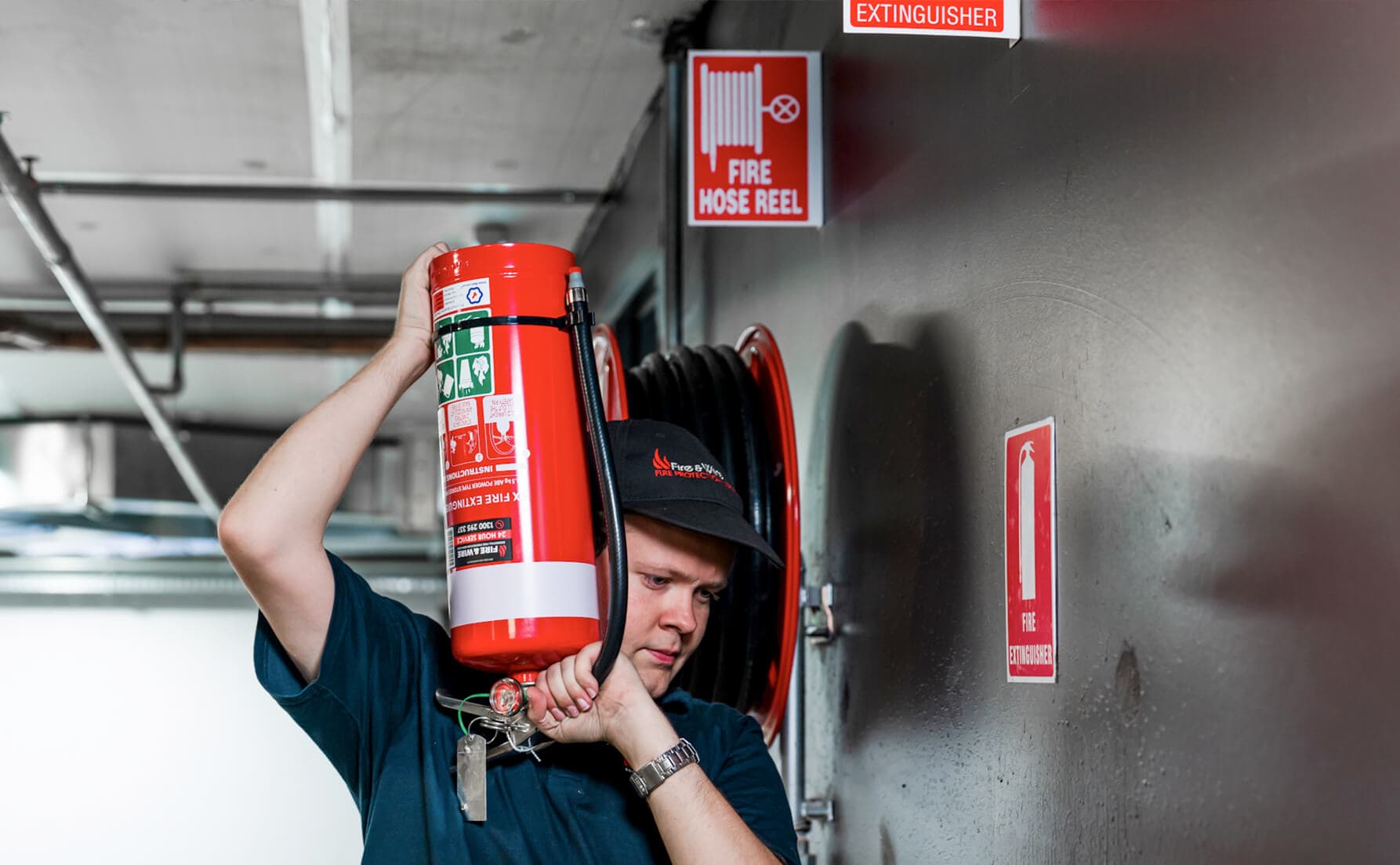
Here’s something we’ll say plainly: Australian Standards are still catching up to the technology already sitting in our buildings. That’s not a criticism – standards take time to get right – but it means the responsibility currently sits with building owners, facility managers and providers like us to close that gap ourselves.
A building might already have a standard sprinkler system in place. But if several car spots suddenly become EV charging bays, the question that must be asked is: “what more do we need to do to stay fire safe?”
While no one answer suits every building, the options we’re actively working through with our clients include:
Not all of these are required considerations under Victorian regulations just yet, but that doesn’t mean it’s not worth taking the initiative.
The goal is to understand the risk before trouble appears, rather than realising afterwards that the building wasn't adequately prepared.
Explore how Fire & Wire conducts fire emergency training to know where to go and what to use during fire emergencies: Fire Emergency Training: Why Knowing Your Building Could Save Lives.
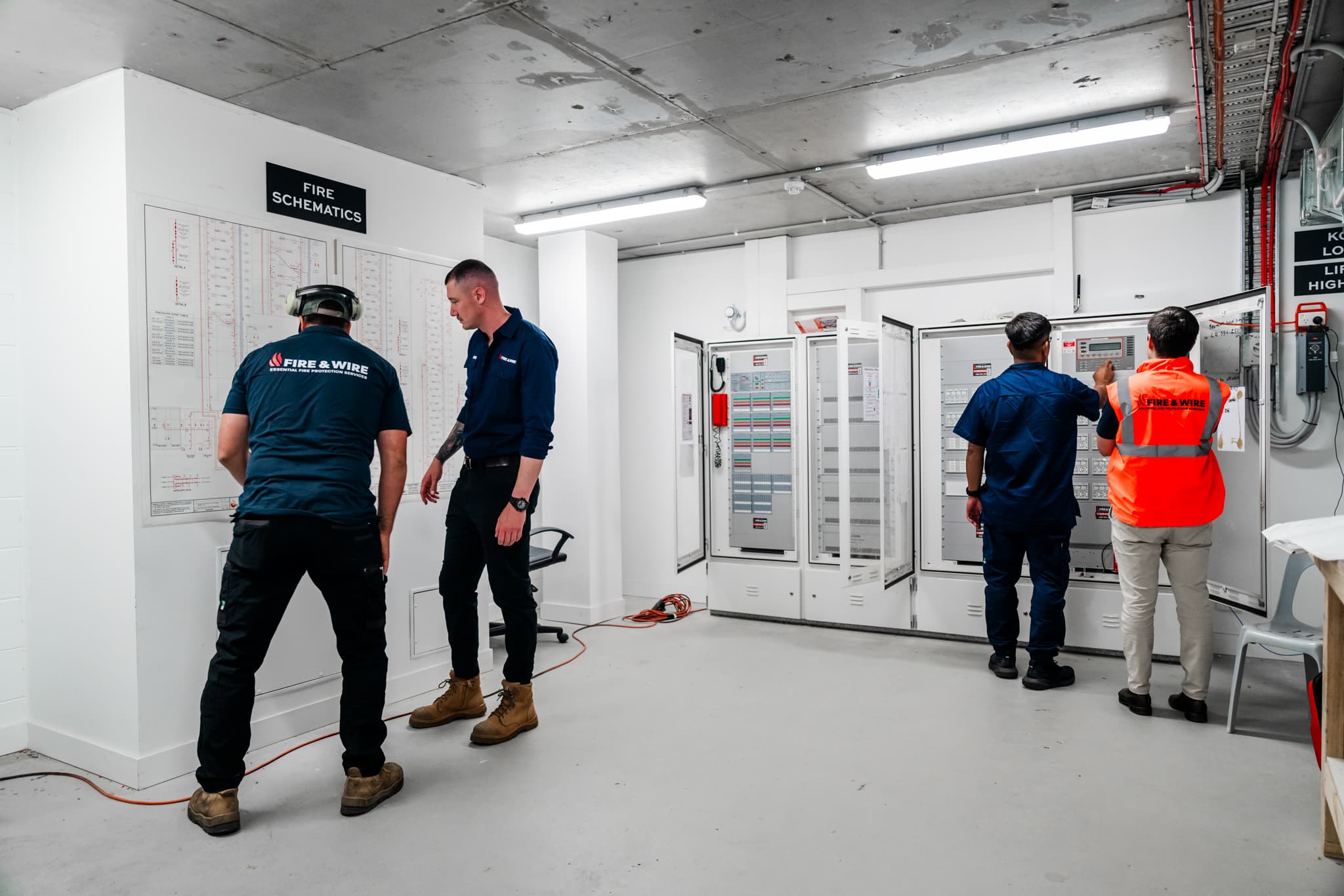
For me, this is the biggest takeaway.
We need to get better at bringing fire safety into the conversation earlier.
Before approving a new installation, consider asking these questions first:
This isn't about assuming every battery or EV charger will cause a fire.
It's about recognising that when the way we use a building changes, we should consider whether the way we protect that building needs to change too.

1. We’ve already got a standard sprinkler system. Is that enough once we add EV chargers to three parking bays?
Not necessarily. Standard systems are designed around standard fire risks. Once you introduce EV charging, we’d want to look at whether those three bays have adequate coverage, water volume and detection specifically for a battery fire. In some buildings, that’s meant tying additional heads into an existing line. In others, the existing system has proven adequate after thorough assessment. It all comes down to your specific system and needs.
2. Can an existing sprinkler system protect an EV charging area?
Every building and installation is different. Existing sprinkler coverage should be assessed based on the individual facility and the technology being introduced.
Reach out to us at Fire and Wire, and we can explore your ESM fire safety options in Victoria.
3. Are lithium-ion battery fires more difficult to get under control or is that a myth?
It’s not a myth. At Fire & Wire, we’ve seen enough EV fires take firefighters hours – not minutes – to bring under control to know they don’t behave like a standard vehicle or building fire. That’s exactly why we say the conversation around detection and suppression needs to happen before the chargers go in, not after.
4. Should fire safety be considered before installing EV chargers?
Yes. Considering fire safety early allows building owners and facility managers to understand the existing environment and determine whether additional measures are needed before the new technology is integrated into the facility.
5. How can Victorian building owners future-proof their fire safety?
Future-proofing starts with regularly reviewing how a building is being used, understanding new technology being introduced and considering whether existing fire protection systems and fire safety planning remain appropriate as the facility evolves.
Talk to Fire & Wire about preparing your Victorian building for the right fire safety requirements.
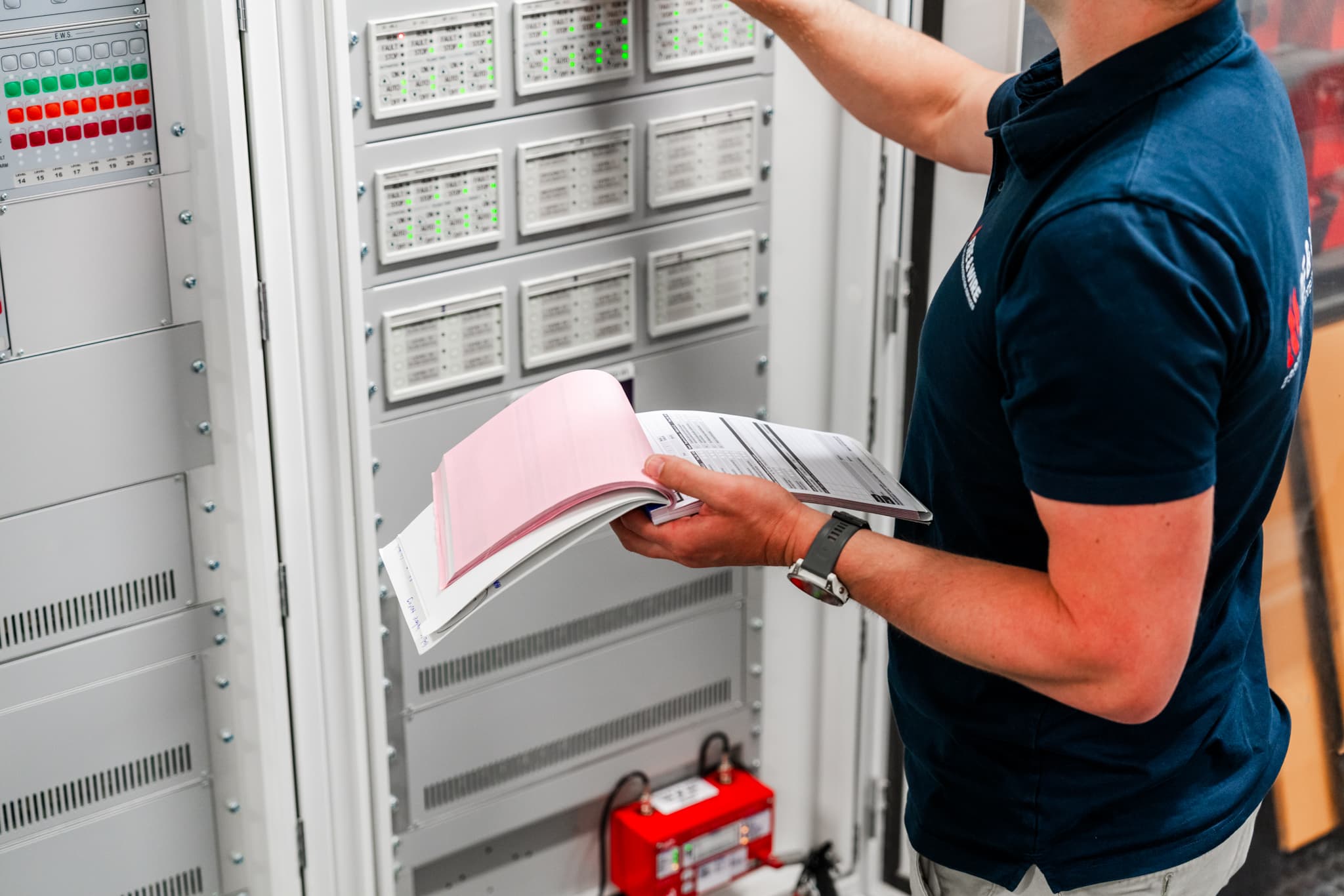
The future of our buildings is changing and I think that's exciting.
But progress works best when preparation moves with it.
If your Victorian facility is introducing EV charging stations, battery energy storage systems or new battery charging areas, now is the time to start asking how those changes interact with your existing fire protection systems and broader fire safety strategy.
At Fire & Wire, our experienced Victorian ESM team works with Victorian building owners and facility managers to understand their sites, existing fire systems and evolving fire safety needs.
Don't wait for tomorrow's technology to expose yesterday's fire safety gaps. Talk to Fire & Wire about preparing your Victorian building for what's next.

IN SUMMARY Fire safety servicing doesn’t happen in isolation. Every inspection, repair, defect and equipment change adds another…

By Pryce Sprague IN SUMMARY If you manage a Victorian building with Essential Safety Measures, regular testing and…